
Custom Web Development Services Built Around Your Business
Turn complex business processes into practical web platforms that simplify daily operations, connect your systems and support future growth.
- ON THIS PAGE
- Overview
- Services
- Packages
- Delivery process
- Measurement
- FAQs
What Are Custom Web Development Services?
Custom web development services involve planning, designing and building web-based platforms around specific business requirements rather than relying entirely on prebuilt templates or standard website features.
These solutions may include customer portals, internal dashboards, databases, user permissions, automated workflows, reporting tools and third-party integrations.
As part of our broader development services, Dazonn Technologies develops web platforms around defined users, operational processes and technical requirements.
What Can Custom Web Development Help You Fix?
Standard websites and ready-made software can handle many business needs, but they may become restrictive when operations require unique functionality or connected workflows.
Common challenges include:
Existing platforms cannot support required business processes
Different users need separate roles and permissions
Information must be collected and processed dynamically
Business tools do not exchange information effectively
Manual workflows are creating delays and errors
Customers need dedicated self-service functionality
Internal teams lack a centralized management system
Existing software has become difficult to extend
Reporting and data management require manual effort
Business requirements cannot be handled through standard plugins
Custom development is not necessary for every project. A content management system or existing software solution may be more practical when the requirements are straightforward.
The right approach depends on the functionality, technical complexity and long-term management needs of your business.
Explore Our Custom Web Development Solutions
From customer portals to workflow systems and connected business platforms, explore solutions designed around your users, processes and operational requirements.
Customer and Client Portals
Create secure web portals where customers can manage profiles, submit information, access approved documents and review relevant account activity.
Customer interface
PORTAL / DASHBOARD
Application logic
ACCOUNTS / PERMISSIONS
Business information
RECORDS / DOCUMENTS
A dedicated customer space. Connected to your business processes.
PLAN → DEVELOP → CONNECT
Internal Business Portals
Bring internal information, requests, tasks and operational workflows into a centralized web platform with controlled access for team members.
Employee interface
TASKS / REQUESTS
Workflow system
LOGIC / PERMISSIONS
Business records
DATA / OPERATIONS
One connected workspace. Built around how your team operates.
ORGANIZE → BUILD → MANAGE
Product and Category Configuration
Develop dashboards that organize operational information into useful reports, filters, metrics and user-specific views for business teams.
Dashboard interface
CHARTS / REPORTS
Application layer
FILTERS / LOGIC
Business data
DATABASE / APIs
Relevant information. Presented for clearer decision-making.
COLLECT → PROCESS → DISPLAY
Custom Workflow Systems
Replace disconnected spreadsheets, repetitive emails and manual approval steps with structured digital workflows developed around business rules.
User actions
FORMS / TASKS
Workflow engine
RULES / APPROVALS
Business records
STATUS / DATA
Fewer disconnected steps. More organized business operations.
MAP → AUTOMATE → IMPROVE
SaaS MVP Development
Build an initial software-as-a-service platform with essential features, user accounts and core workflows needed to test a product concept with early users.
User experience
SCREENS / FEATURES
SaaS application
LOGIC / ACCOUNTS
Platform data
DATABASE / SERVICES
A focused first version. Built to test real user needs.
DEFINE → DEVELOP → VALIDATE
Booking and Management Systems
Create tailored booking, scheduling or resource-management platforms when standard tools cannot efficiently support the required availability rules and operational processes.
Booking interface
CALENDAR / FORMS
Scheduling logic
RULES / AVAILABILITY
Business records
BOOKINGS / RESOURCES
Structured bookings. Connected to your operational requirements.
PLAN → CONFIGURE → MANAGE
API-Connected Web Platforms
Connect approved third-party services, CRMs, payment systems and existing business applications through available APIs and integration methods.
Web application
INTERFACE / ACTIONS
Integration layer
APIs / SERVICES
Business systems
CRM / PAYMENTS / DATA
Connected applications. Supporting coordinated business processes.
CONNECT → INTEGRATE → VERIFY
Legacy Platform Modernization
Improve or replace an outdated web application after reviewing its architecture, existing functionality, stored data and technical dependencies.
Existing platform
LEGACY / SYSTEMS
Modernization process
CODE / MIGRATION
Updated solution
INTERFACE / DATA
A more maintainable platform. Built around current requirements.
ASSESS → MODERNIZE → VALIDATE
Custom Web Development Packages
Custom web platforms vary in functionality, screens, user permissions, database requirements and integrations. Our Basic and Premium packages provide two starting levels, with the final project scope confirmed after discovery.
Basic Custom Web Development Package
Suitable for : Startups and businesses requiring a focused customer portal, internal dashboard, workflow tool or early-stage custom web platform.
- Custom web platform with up to 8 responsive screens
- Core user-flow planning and wireframes
- Basic backend, database and one authenticated user role
- One approved integration, testing and deployment support
View all 10 package inclusions
- Requirement discovery and initial project consultation
- Project scope and essential feature documentation
- Core user-flow planning and wireframes
- Development of up to 8 custom screens
- Responsive front-end interface development
- Basic back-end functionality development
- Essential database structure and configuration
- One user role with authentication
- One approved third-party integration
- Functional testing, deployment and administrator handover support
Premium Custom Web Development Package
Suitable for : Growing businesses requiring a larger custom platform with multiple user roles, advanced business logic, integrations and administrative functionality.
- Up to 15 custom screens with reusable UI components
- Advanced back-end and database development
- Up to 3 user roles and 3 approved API integrations
- Administrative dashboard, testing and 30-day priority support
View all 10 package inclusions
- Detailed project discovery and technical planning
- Extended requirements and feature documentation
- Development of up to 15 custom screens
- Reusable user-interface component system
- Advanced back-end development
- Advanced database structure and functionality
- Up to 3 user roles with defined permissions
- Up to 3 approved third-party API integrations
- Administrative dashboard with basic reporting functionality
- Functional and integration testing, deployment and 30-day priority technical support
Need additional screens, advanced workflows, more integrations or specialized functionality?
Package Note: These are starting prices for one-time custom web development projects. Hosting, paid software, external API charges, extensive data migration and functionality outside the approved scope are quoted separately.
Final pricing depends on features, screen complexity, data structures, permissions, integrations, security requirements and deployment needs.
What Is Included in Our Custom Web Development Process?
Our custom web development process follows six structured stages, from understanding the business problem to planning, development, testing and deployment. Each stage helps keep the platform aligned with its intended users and operational requirements.
Discovery and Requirement Planning
We begin by understanding the business problem, intended users, essential workflows and expected outcomes. Existing systems, technical constraints and important dependencies are reviewed before defining the project scope.
01 Business challenges and project objectives
02 Target users and required workflows
03 Technical dependencies and essential features
A clear and agreed custom development scope

PROJECT STAGE / 02
Solution Architecture and Technical Planning
The approved features, data structure, user permissions, integrations and development approach are documented. Technical planning establishes how the application components and connected systems should work together.
01 Application architecture and technology selection
02 Database structure and user permissions
03 Integrations and technical specifications
A structured technical development blueprint
PROJECT STAGE / 03
User Experience and Interface Planning
Important screens, navigation paths and user journeys are mapped before full development begins. Wireframes and interface planning help clarify how users will complete tasks within the platform.
01 User journeys and screen structures
02 Wireframes and interface components
03 Forms, interactions and task flows
A clear and practical platform interface
Interface and System Development
The approved front-end interface, back-end functionality, database and integrations are developed according to the agreed requirements. Business logic and user permissions are implemented where required.
01 Responsive front-end development
02 Back-end logic and database implementation
03 User permissions and approved integrations
A functional and connected custom web platform
Testing and Quality Review
Core workflows, user permissions, forms, responsive layouts and integrations are reviewed. Identified issues are addressed, and agreed revisions are completed before deployment approval.
01 Workflow and functionality testing
02 User permissions and integration verification
03 Responsive review and issue resolution
A tested platform ready for deployment approval
Deployment and Platform Handover
After approval, the custom platform is deployed to the selected hosting environment. Relevant access details, documentation and management guidance are provided according to the project agreement.
01 Deployment and live environment verification
02 Administrative access and documentation
03 Post-launch support and future improvements
A live platform with a defined management and support plan
Standard Website or Custom Web Solution: Which Is Suitable?
A standard website is usually suitable for presenting business information, publishing content and generating enquiries.
Custom web development becomes more relevant when the project requires specialized workflows, structured data, authenticated users or complex business logic.
| Business Requirement | Standard Website | Custom Web Solution |
|---|---|---|
| Primary purpose | Information and enquiries | Specialized tasks and workflows |
| Content management | Usually CMS-based | Tailored management interface |
| User accounts | Limited or optional | Often central to the platform |
| Business logic | Relatively straightforward | Specific business rules |
| Integrations | Common plugins or tools | Approved APIs and custom connections |
| Permissions | Basic administrator access | Multiple roles and permissions |
| Data handling | Content and form submissions | Structured records and dynamic data |
| Scalability | Standard website growth | Planned around platform requirements |
The right approach depends on required functionality, technical resources, ongoing maintenance and future expansion.
Businesses primarily needing marketing pages can explore our web development services. Projects requiring device-specific functionality may be better suited to custom app development.
What Should Be Confirmed Before Custom Web Development Starts?
Clear requirements help control project scope, reduce unnecessary revisions and identify technical dependencies early.
Before starting a custom web development project, confirm:
- The business problem the platform must solve
- Primary and secondary user types
- Essential workflows required for launch
- Features that can be developed in later phases
- Information collected and stored by the platform
- Required user roles and access permissions
- Existing business software and integrations
- Data migration or import requirements
- Administrative and reporting needs
- Hosting and deployment responsibilities
- Internal project approval responsibilities
- Security and data-handling requirements
- Expected launch outcomes and support needs
Separating essential launch functionality from future enhancements helps establish a focused first release.
How Are Third-Party Integrations Handled?
Integrations allow a custom web platform to exchange information with approved external systems.
These may include CRM software, payment providers, email services, scheduling tools, inventory platforms or internal business applications.
Integration planning typically involves:
Identifying the systems to connect
Reviewing available APIs and documentation
Confirming authentication and access permissions
Defining required data exchange
Mapping relevant workflows
Checking technical compatibility
Testing error handling and data accuracy
Integration feasibility depends on API availability, provider limitations, permissions and the existing technical environment.
Each required integration should be evaluated before being included in the final development scope.
What Custom Web Development Cannot Solve Alone
A custom platform can simplify workflows and improve how users interact with business systems, but software development alone cannot resolve every operational challenge.
A successful implementation still depends on clear processes, accurate data, defined responsibilities and appropriate user adoption.
Important considerations include:
Custom development should address a defined business requirement rather than introducing unnecessary technical complexity.
How Is Custom Web Development Quality Measured?
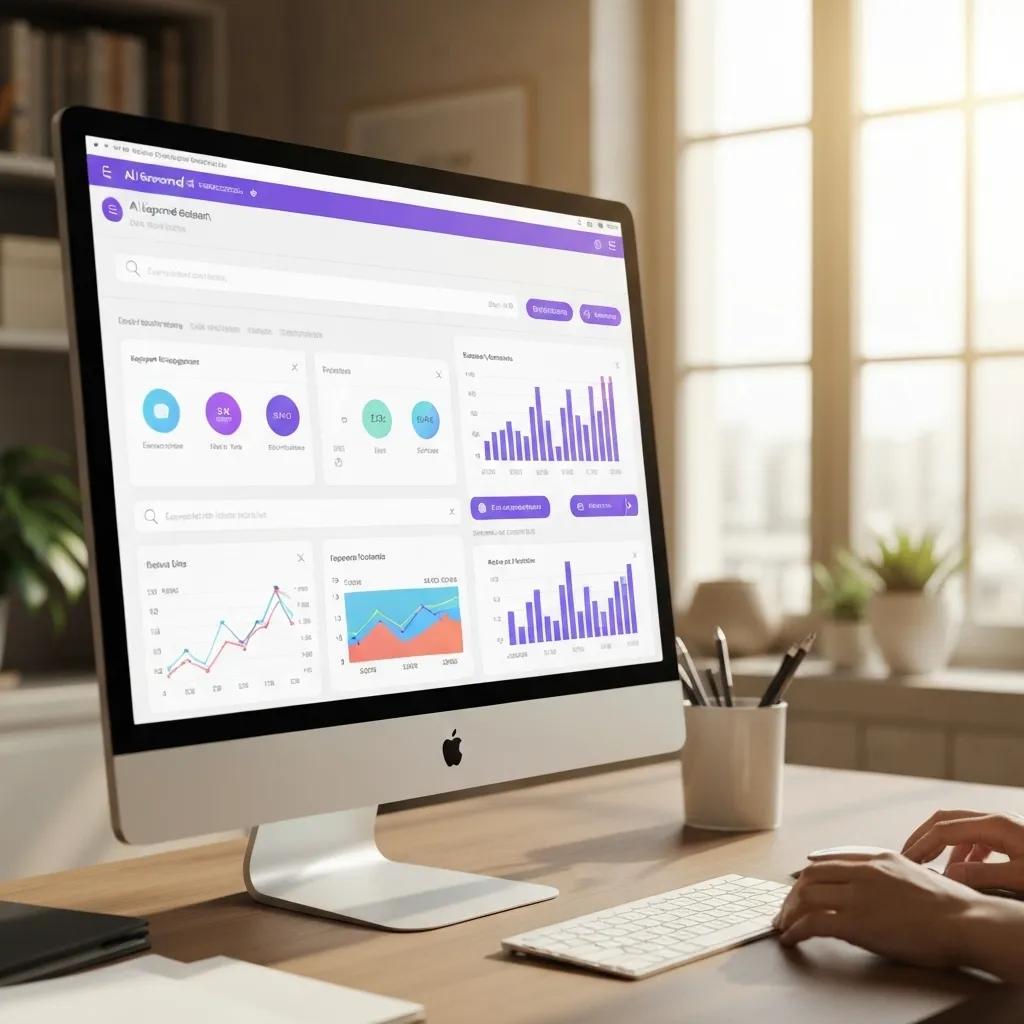
Custom web platform performance should be evaluated against its intended users, functionality and operational requirements.
Useful measurements may include:
A custom platform can simplify workflows and improve how users interact with business systems, but software development alone cannot resolve every operational challenge.
A successful implementation still depends on clear processes, accurate data, defined responsibilities and appropriate user adoption.
Important considerations include:
Planning for Security and Ongoing Maintenance
Custom web platforms require ongoing technical attention because server environments, software dependencies, browsers and external APIs change over time.
Security requirements should be considered during planning, particularly when a platform handles user accounts, restricted business information or role-based access.
Relevant considerations may include:
- Authentication and access permissions
- Secure data transmission
- Appropriate input validation
- Software dependency updates
- Backup and recovery arrangements
- Error logging and monitoring
- API access management
- Hosting and infrastructure maintenance
The required controls depend on the platform’s users, information, architecture and deployment environment.
After launch, ongoing technical support can help maintain system stability and compatibility.
Public-facing platforms that require search visibility may also benefit from a separate technical SEO review to evaluate crawlability, indexing and performance requirements.
A Practical Approach to Custom Web Development
Dazonn Technologies begins custom development projects by understanding the workflows and problems the platform needs to address.
The objective is not to create the most complicated system. It is to develop functionality that supports real users, connects approved processes and remains practical to manage.
Depending on the requirements, this may involve a focused customer portal, management dashboard, workflow application or an initial SaaS product.
Features are prioritized according to business value, technical dependencies and development effort.
A clearly defined first release helps establish a foundation for future improvements without adding unnecessary functionality at launch.
Build a Custom Web Solution Around Your Workflow
Your ecommerce store should make purchasing straightforward for customers while giving your team practical control over products, orders and website content.
Dazonn Technologies can help assess your catalogue, define the required features and recommend a suitable WooCommerce development approach.
Frequently Asked Questions
How much do custom web development services cost?
Our Basic Package starts at $4,999, while Premium starts at $9,999. Complex requirements and additional functionality are quoted separately.
When should I choose custom web development?
Choose custom development when standard platforms cannot efficiently support your required workflows, user permissions or integrations.
Can you integrate existing business tools?
Yes. We can connect compatible business tools where suitable APIs, permissions and technical integration methods are available.
Can you improve an existing web platform?
Yes. We can review the existing system and recommend suitable improvements based on its architecture, functionality and dependencies.
How long does custom web development take?
Timelines depend on the number of screens, workflows, integrations, technical complexity and approval requirements.
Will we receive administrative access?
Relevant access details, documentation and handover guidance are provided according to the approved project agreement.
Is post-launch support included?
The Basic Package includes deployment and handover support. The Premium Package includes 30-day priority technical support.
Can the platform be expanded later?
Yes, where the architecture and technical design support future development. Additional features can be planned as separate phases.