

Website Loading Time: Essential Tips to Improve Speed and Optimize Performance
Sluggish website loading times can cost businesses a significant chunk of potential online revenue, with over half of mobile visitors abandoning pages that take longer than three seconds to load. This comprehensive guide offers practical strategies to measure, pinpoint, and accelerate your page performance. We’ll also highlight how Dazonn Technologies’ expertise and services can support your ongoing speed enhancements. You’ll gain insights into key metrics like Largest Contentful Paint (LCP) and Time to First Byte (TTFB), explore common performance hurdles, implement techniques for optimizing images and code, harness the power of caching and CDNs, fine-tune hosting and mobile delivery, establish continuous monitoring, and discover how Dazonn can craft a personalized speed-up roadmap for your business.
Website Speed and Online Sales
Research consistently shows that slow website loading times can significantly hinder online sales, potentially leading to substantial revenue losses for businesses. Studies reveal that even minor delays of a few seconds can result in fewer conversions and a higher rate of visitors leaving the site.
This citation underscores the article’s assertion regarding the financial repercussions of slow website loading speeds on businesses.
What Is Website Loading Time and Why Does It Matter?
Website loading time refers to the duration it takes for a user’s browser to fully display a webpage. This metric is crucial as it directly influences user engagement, conversion rates, and search engine rankings, especially with Google’s emphasis on Core Web Vitals. Accurately measuring this metric helps identify bottlenecks in how resources are delivered and guides optimizations that enhance user satisfaction and search visibility.
How Is Website Loading Time Measured?
Website loading time is gauged using metrics such as First Contentful Paint (FCP) and Speed Index, which track the appearance of visual content and the perceived interactivity of a page. Tools like Google PageSpeed Insights capture these values, enabling data-driven improvements that elevate both user experience and SEO performance. A solid understanding of these measurements is fundamental for optimizing specific speed-related factors.
What Are Core Web Vitals and Their Role in Speed?
Core Web Vitals are a set of three user-centric performance metrics—Largest Contentful Paint (LCP), Interaction to Next Paint (INP), and Cumulative Layout Shift (CLS)—that Google employs to assess real-world page performance. By optimizing LCP for faster loading, INP for responsive interactivity, and CLS for visual stability, websites can achieve higher search rankings and deliver seamless user experiences. These vitals serve as a guide for targeted enhancements across images, scripts, and rendering processes.
Core Web Vitals and SEO
Google’s Core Web Vitals are a collection of metrics designed to evaluate user experience, and they play a direct role in search engine rankings. Optimizing these vitals, including Largest Contentful Paint (LCP), can significantly boost a website’s visibility in search results.
This citation reinforces the critical importance of Core Web Vitals for enhancing SEO performance, as highlighted in the article.
How Does Website Speed Impact User Experience and SEO?
Faster website speeds can reduce bounce rates by as much as 53 percent for mobile users and potentially increase conversions by over 20 percent for every 0.1-second improvement.
Impact of Mobile Speed on User Experience
Enhanced website speed on mobile devices is paramount for a positive user experience, as it can dramatically lower bounce rates. Research indicates that users are far more likely to leave a website if it takes too long to load on their mobile devices.
This citation validates the article’s discussion on the significance of mobile optimization and its direct effect on user behavior.
Rapid page loads signal to search engines that your site effectively meets user expectations, which directly influences organic rankings and strengthens brand credibility. Consequently, improved speed drives both user engagement and tangible business results.
What Are the Common Causes of Slow Website Loading?
Slow website loading often stems from large media files, inefficient code, delayed server responses, and an abundance of third-party resources that impede rendering and increase page weight. Identifying the root causes allows for precise solutions to shave off milliseconds and enhance the user’s journey.
Before we delve into solutions, let’s compare the primary bottlenecks:
| Cause | Root Factor | Performance Impact |
|---|---|---|
| Large Images & Video Assets | High file sizes without compression | Increased latency and slower first paint |
| Unminified Code | Bulky CSS, JavaScript, HTML | Multiple render-blocking requests |
| Server Response Delays | Slow Time to First Byte (TTFB) | Delayed page start and cascading load penalties |
| Third-Party Scripts | External widgets, ads, analytics code | Interrupts critical rendering path |
How Do Large Images and Media Affect Load Times?
Substantial image and video files increase the overall page weight, leading to delays in fetching resources and rendering content. Compressing and converting media to modern formats significantly reduces file sizes and accelerates LCP. Addressing large media files is a crucial first step toward creating leaner pages and achieving faster visual rendering.
Why Does Unoptimized Code Slow Down Websites?
Inefficiently written CSS, JavaScript, and HTML introduce render-blocking resources that halt browser parsing and delay content display. Minifying and removing unused code streamlines asset delivery, reducing the number of critical requests and improving the Speed Index. Cleaning up code ensures a smoother parsing and rendering process.
How Do Server and Hosting Issues Influence Speed?
Slow server response times, as measured by TTFB, directly delay the initial page load for every request. Inadequate hosting, a lack of HTTP/2 support, or geographically distant data centers can worsen this latency. Selecting optimized infrastructure and protocols minimizes initial delays and enables faster content delivery.
What Role Do Third-Party Scripts and Plugins Play?
External scripts used for analytics, advertisements, or social media widgets require additional DNS lookups and fetching cycles, which can interrupt the critical rendering path. Auditing and deferring these resources—or loading them asynchronously—eliminates render-blocking dependencies and preserves core functionality without compromising page speed.
How Can You Optimize Images to Improve Website Speed?

Optimizing images reduces page weight by employing efficient formats, compression techniques, smart loading strategies, and responsive delivery methods that shorten download times and enhance visual stability.
What Are the Best Image Formats for Web Performance?
Next-generation formats like WebP and AVIF offer superior compression with minimal quality degradation compared to older formats like JPEG or PNG. Adopting these formats can decrease file sizes by up to 50 percent and significantly speed up LCP. Choosing the appropriate format based on browser compatibility strikes a balance between visual quality and loading speed.
How Does Image Compression Reduce Load Time?
Lossless and lossy compression tools remove extraneous metadata and reduce color depth to shrink image files without noticeable loss in quality. Services like ImageOptim or integrated build-chain plugins automate this process, reducing asset size and shaving precious milliseconds off load times.
What Is Lazy Loading and How Does It Help?
Lazy loading defers the loading of images that are not immediately visible (offscreen) until they scroll into the user’s viewport. This strategy reduces the initial download size, speeds up the first meaningful paint, and conserves bandwidth for users who may not scroll through the entire page.
How to Use Responsive Images for Faster Mobile Loading?
Responsive images utilize and attributes to serve image files that are appropriately scaled for the user’s device resolution and viewport width. Delivering smaller images on mobile devices while maintaining quality on desktops trims data usage and ensures each user receives an optimized image tailored to their context.
How to Minify and Optimize Code for Faster Loading?
Minifying and optimizing code reduces script sizes, decreases the number of HTTP requests, and restructures delivery to prevent blocking page rendering, directly improving the Speed Index and readiness for user interaction.
What Is CSS, JavaScript, and HTML Minification?
Minification tools strip away unnecessary whitespace, comments, and redundant code from CSS, JavaScript, and HTML files, creating compact assets that download faster and parse more efficiently. This practice significantly reduces file sizes and accelerates both FCP and Speed Index metrics.
How to Remove Unused Code and Reduce HTTP Requests?
Techniques like tree shaking and bundling identify and eliminate unused code segments, consolidating multiple scripts into fewer, more manageable files. A reduced number of HTTP requests streamlines resource acquisition and minimizes overhead, leading to faster resolution of render-blocking resources.
Why Should You Defer or Asynchronously Load JavaScript?
Deferring or asynchronously loading JavaScript postpones the execution of non-critical scripts until after the initial HTML parsing is complete, thereby preventing render-blocking delays. This approach speeds up LCP and enhances interactivity metrics by prioritizing essential content over auxiliary code.
How Do Caching and Content Delivery Networks (CDNs) Enhance Speed?
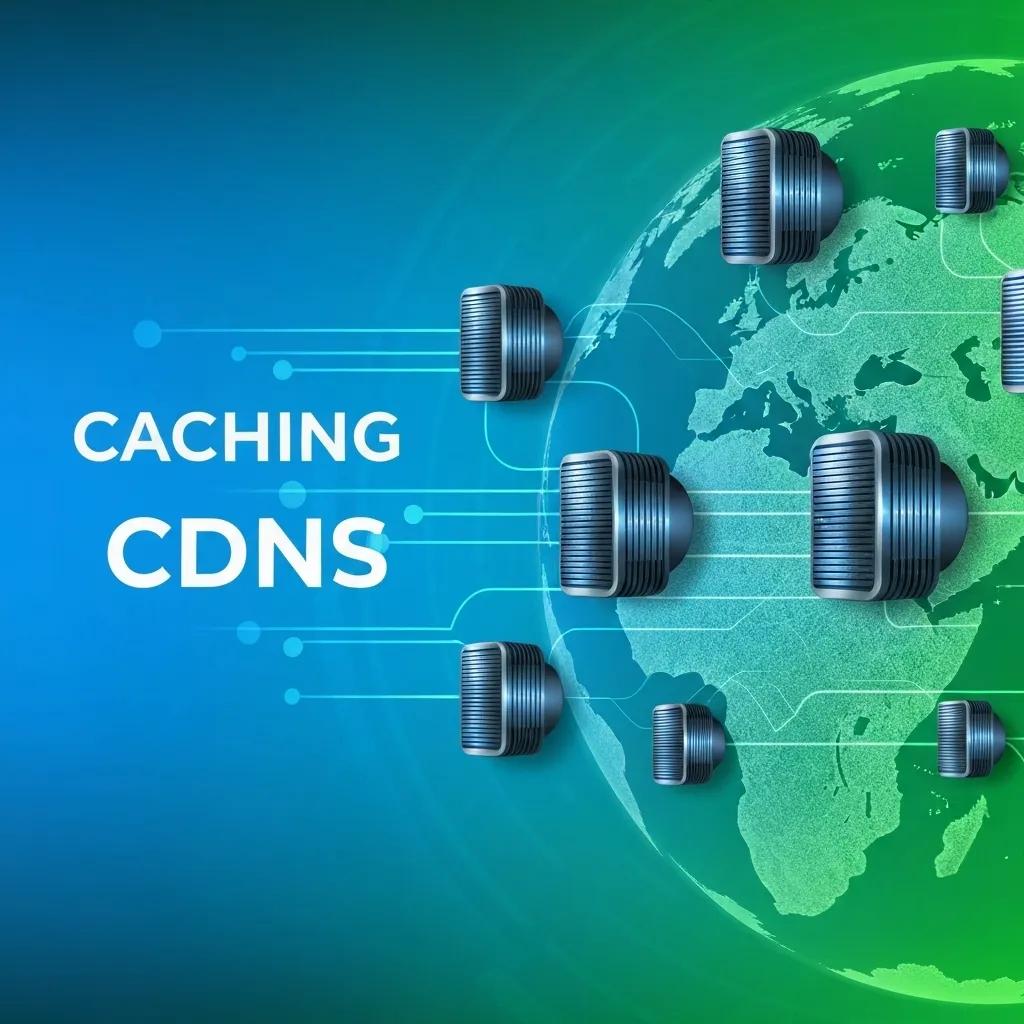
Caching and CDNs distribute and store website assets across multiple locations, bringing them closer to users. This reduces latency and server load, ensuring that both repeat visitors and global audiences experience swift content delivery.
What Is Browser Caching and How to Enable It?
Browser caching allows returning visitors to reuse locally stored website resources instead of re-downloading them, significantly speeding up repeat page loads. Configuring appropriate HTTP cache headers ensures that long-lived assets remain current yet cached, boosting performance for your loyal audience.
How Does a CDN Work to Deliver Content Faster?
A Content Delivery Network (CDN) replicates static website assets across a network of geographically dispersed edge servers. It then routes user requests to the server closest to them, drastically cutting down round-trip times and reducing the burden on the origin server. This enhances global page speed and overall reliability.
What Are the Benefits of Server-Side Caching?
Server-side caching stores dynamically generated pages or database query results in memory, eliminating the need for repetitive computations for subsequent requests. This backend acceleration significantly reduces TTFB and ensures consistent performance, even under heavy traffic loads.
What Server and Hosting Practices Improve Website Loading Time?
Selecting optimized hosting environments and fine-tuning backend protocols provides a robust foundation for rapid page rendering and dependable resource delivery.
How to Choose Fast and Reliable Hosting Providers?
When evaluating hosting providers, it’s essential to compare average response times, data center locations, protocol support, and resource scalability. Prioritizing VPS or dedicated hosting solutions that support HTTP/2 and utilize SSD storage will ensure consistently low latency and high throughput.
What Is Time to First Byte (TTFB) and How to Reduce It?
TTFB measures the time elapsed between a client’s request and the server’s first byte of response. Reducing this metric involves optimizing server configurations, fine-tuning database queries, and implementing in-memory caching solutions that accelerate the initial page delivery.
How Can Database Optimization Speed Up Your Site?
Optimizing database indexes, refining queries, and removing obsolete tables all contribute to reducing backend processing time. A streamlined database minimizes response delays for dynamic content and enhances overall page generation speed.
Why Are HTTP/2 and HTTP/3 Important for Speed?
HTTP/2 and HTTP/3 introduce advanced features like multiplexing, header compression, and reduced handshake overhead. These protocols enable browsers to fetch multiple resources concurrently over a single connection, significantly decreasing latency and improving the efficiency of parallel asset loading.
How to Optimize Website Speed for Mobile Users?
Optimizing mobile performance involves adopting design strategies and technologies that prioritize rapid loading, responsive layouts, and streamlined assets for environments with limited resources.
What Is Mobile-First Design and Its Impact on Speed?
Mobile-first design entails structuring the layout and assets for small screens from the very beginning, ensuring that only essential elements are loaded and rendered. This prioritization reduces initial data payloads and enhances performance on devices with constrained bandwidth.
How Does AMP (Accelerated Mobile Pages) Improve Loading?
AMP provides a streamlined HTML framework and preloads resources to guarantee near-instantaneous mobile rendering. By enforcing strict performance guidelines, AMP optimizes fonts, images, and scripts for sub-second load times, driving higher engagement on mobile devices.
What Are Key Mobile Speed Metrics to Monitor?
Monitoring mobile speed focuses on mobile-specific Core Web Vitals—LCP, INP, and CLS—alongside First Input Delay (FID) and Speed Index, particularly for smaller viewports. Tracking these metrics ensures that mobile experiences meet or exceed desktop performance standards.
How to Measure and Monitor Website Loading Time Effectively?
A comprehensive monitoring strategy involves utilizing specialized tools, interpreting key performance metrics, and setting up alerts for continuous improvement to maintain and enhance page speed performance.
Which Tools Are Best for Website Speed Testing?
Leading tools for website speed testing include Google PageSpeed Insights, GTmetrix, and Pingdom. Each provides valuable metrics like LCP, FCP, TTFB, and Speed Index, along with actionable recommendations. Employing multiple tools offers a holistic view of performance.
- Google PageSpeed Insights analyzes both real-world and lab data to prioritize optimization efforts.
- GTmetrix offers detailed waterfall charts and advanced page breakdowns for in-depth analysis.
- Pingdom monitors uptime and synthetic performance from various global locations.
By combining these tools, you can identify both immediate fixes and long-term performance trends.
How to Interpret Core Web Vitals Scores and Reports?
Core Web Vitals reports categorize performance into three levels: “Good,” “Needs Improvement,” or “Poor” for LCP, INP, and CLS. Reviewing these categories alongside diagnostic suggestions helps direct engineering efforts toward the most impactful areas for improvement.
What Are Best Practices for Continuous Speed Monitoring?
Continuous monitoring involves regular audits, synthetic performance tests, and the analysis of real-user metrics gathered from tools like Google Analytics and WebPageTest. Setting up alerts for any regressions in Core Web Vitals and TTFB ensures prompt issue resolution and sustained speed enhancements.
How Can Dazonn Technologies Help Improve Your Website Loading Time?
Dazonn Technologies offers comprehensive performance optimization services, integrating technical audits, development best practices, and ongoing support to ensure your website operates at peak speed and contributes to business growth.
What Website Speed Optimization Services Does Dazonn Offer?
Dazonn’s Website Speed Optimization Service encompasses a thorough audit of page assets, codebase analysis, implementation of compression strategies, CDN integration, and server-side caching setup. Dazonn also provides specialized SEO solutions, as demonstrated by their recognition as the Best SEO Company for Lawyers & Law Firms – Dazonn Technologies, specifically tailored for legal professionals.
How Has Dazonn Improved Client Website Speeds?
Following Dazonn’s optimization efforts, clients typically experience average LCP reductions of 40 percent and TTFB improvements of up to 60 percent. These enhancements lead to faster user interactions, improved organic search rankings, and measurable increases in conversion rates.
How to Get a Website Speed Audit and Customized Plan?
To initiate the process, simply request a comprehensive speed audit through Dazonn’s Contact page. After a thorough analysis of your Core Web Vitals report, Dazonn will provide a personalized optimization roadmap, assign a dedicated specialist, and offer continuous 24/7 support to ensure ongoing performance gains.
Accelerating website loading times is key to boosting user engagement, enhancing search engine visibility, and driving conversions. By diligently measuring Core Web Vitals, addressing common performance bottlenecks, and implementing strategic optimizations across images, code, caching, and hosting, businesses can reclaim crucial milliseconds. A mobile-first approach and rigorous monitoring are essential for achieving sustained speed excellence. Partnering with Dazonn Technologies provides expert guidance, custom action plans, and round-the-clock support to keep your website performing at its absolute best.